Building date: Circa 1835. In Cobblestone Buildings in Onondaga County", 1992, Structure No. 15, Glenn Hinchey states 1837. May have been built c. 1850 or 1855 (conflicting information).
Original use:
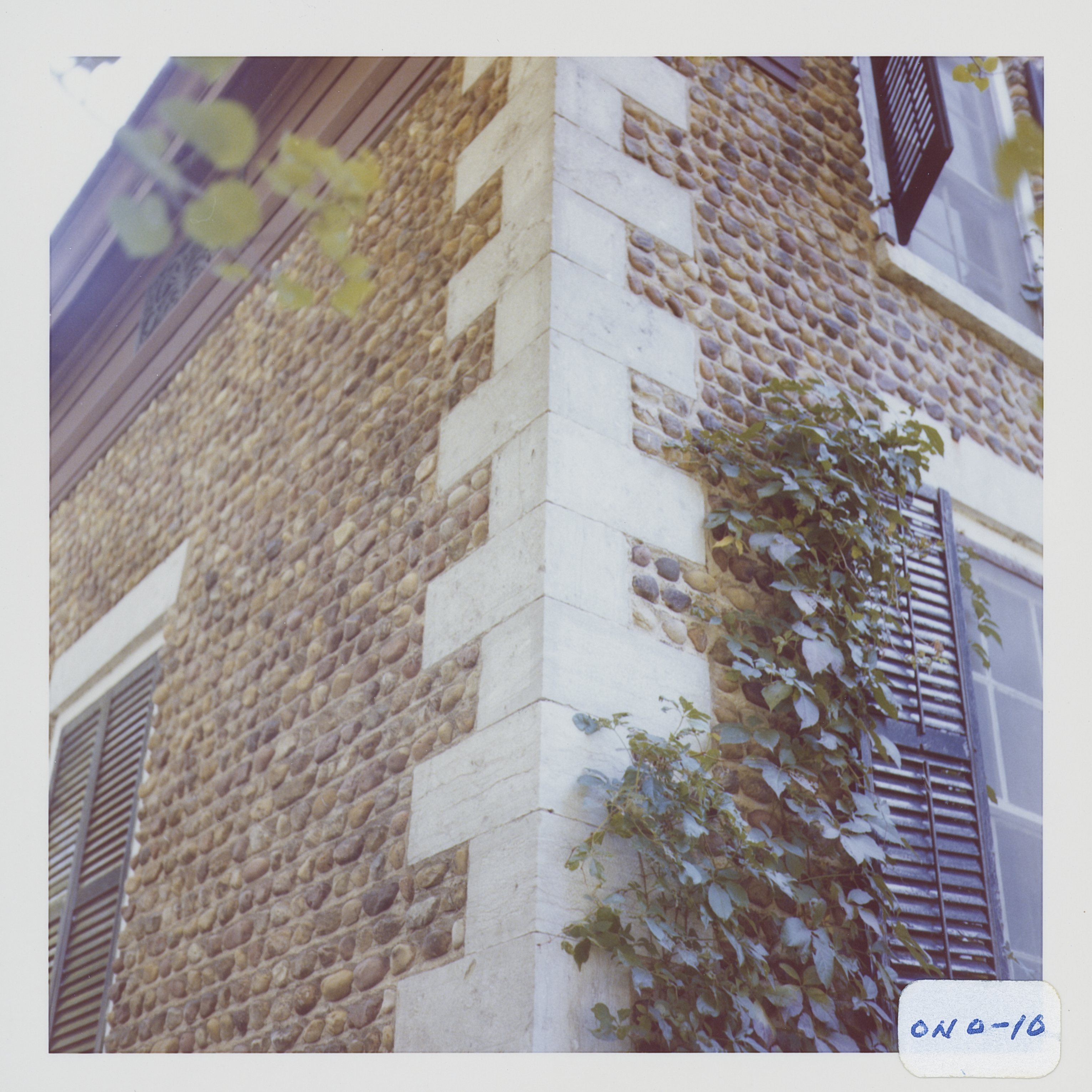
Corner structures: Gray limestone
Mortar application and content: Vertical mortar has rough vertical pyramids between the stones.
Types and uses of stones: Irregular rough and vary in color, laid three tiers to the quoin on both front and sides.
Types and choice of windows: Lintels gray limestone
Structures with similar masonry details:
Masons who worked on building: Chapman
Unique features: Greek Revival. "Cobblestone Buildings in Onondaga County", 1992, Structure No. 15, compiled by Glenn Hinchey.
Map views courtesy Google Maps. Address is Google Earth confirmed; 43°02'16.94"N 76°00'29.22"W. Current owner of record, Borg as of the 2018 Tax Roll.
Town of Manlius and Onondaga County Maps
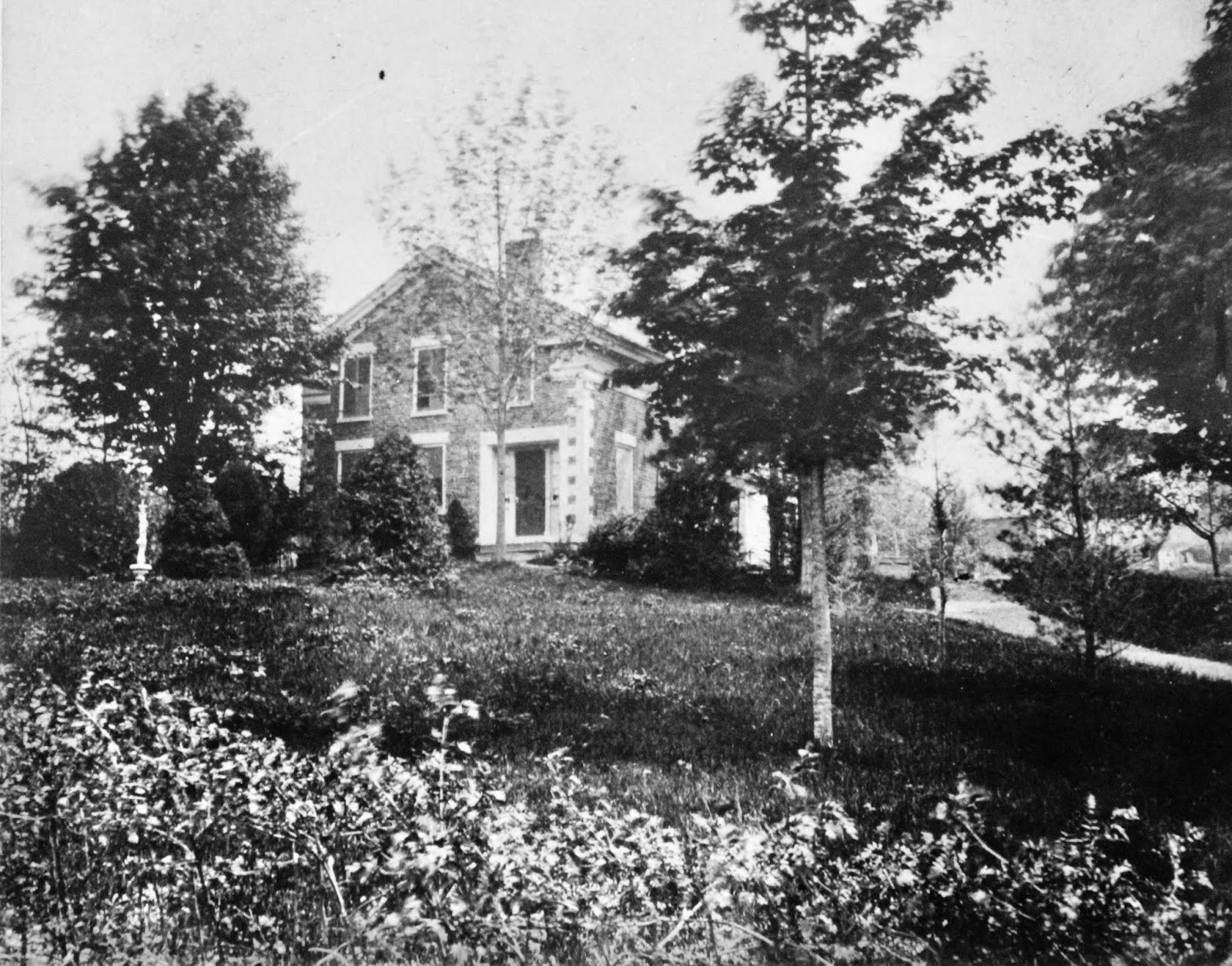
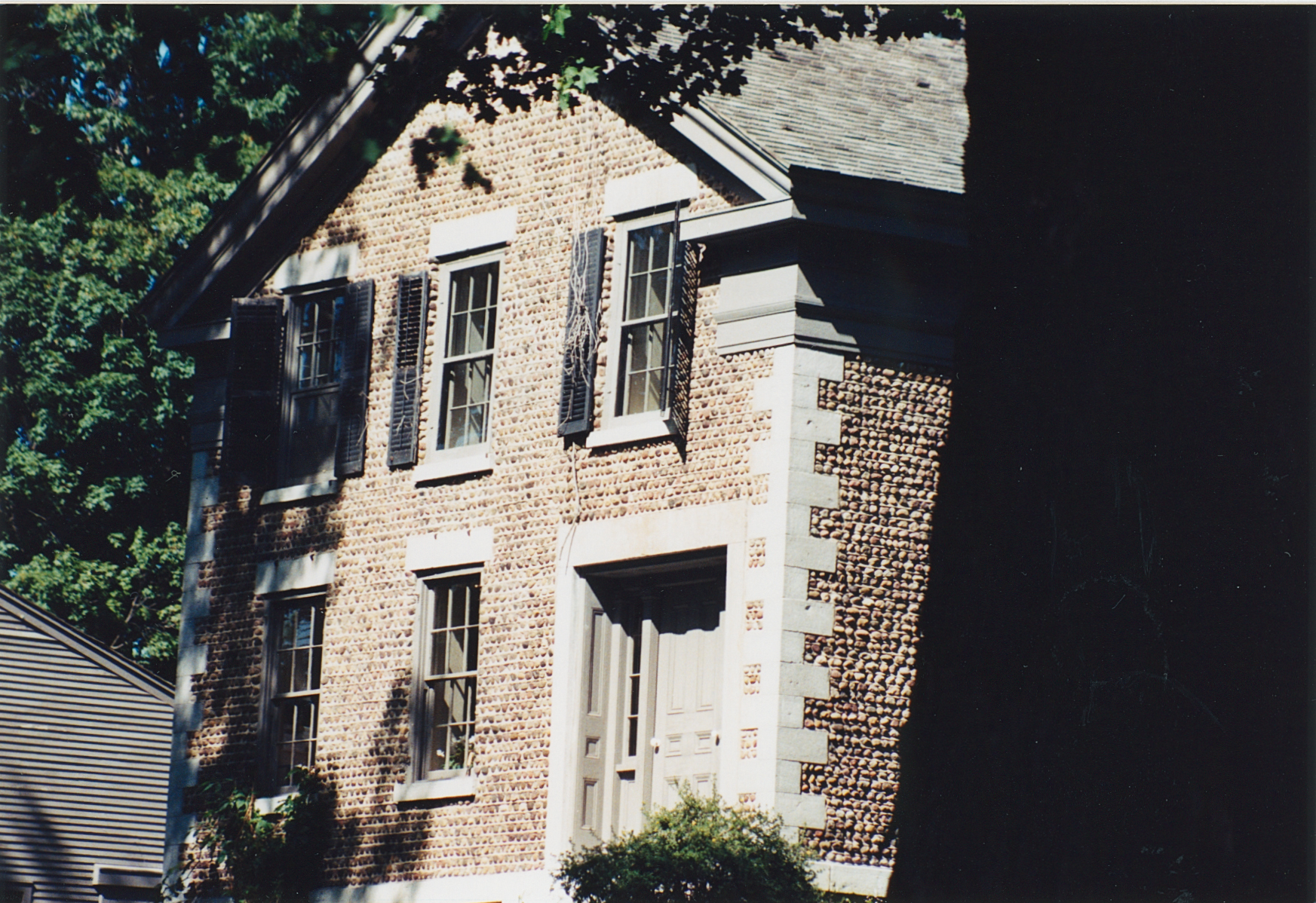
North of Fayetteville, at the junction of Route 257 and James Road, there is a two story cobblestone house. Stones are irregular and vary in color. They are laid three tiers to the quoin on both front and sides. The vertical mortar has rough pyramids between the stones. Quoins and lintels are gray limestone. Roudabush Survey page 79
Farmer Michael Hutchins, who came to what is now Fayetteville in 1818, moved to the site of this off North Manlius Street and built this cobblestone house prior to 1850. It is of Greek Revival architecture and was known as "Stone Cottage." Although the address is 5498 James St., it faces North Manlius St., also known as Route 257. At the time it was built it overlooked the Fayetteville feeder of the Erie Canal. The house, out buildings and grounds are immaculately maintained. Originally there was a small frame house on the site on to which the cobblestone portion was added. Richard Palmer blog.
Note that the tax records list the property address as 5498 N. Manlius St., Rt. 257.
Canal Museum Tour Turns Back Clock", Syracuse Herald-American, 5/14/1972. Photo of cobblestone structure.
Old House Leads Owners into The Past, by Ramona B. Bowden, Syracuse Post-Standard, March 3, 1976
To enter the cobblestone house on the corner of N. Manlius and James streets, Fayetteville, is a step into tranquility.
Under the skilled hands of Mrs. Virginia Denton, architectural designer for Syracuse University, and Antje B. Lemke, professor of informational studies at SU, the nearly 150-year-old house has been rescued from the gnawing ravages of time and weather.
Over the years, the house has passed through many hands which imposed the dignity of comforting modernization or the slovenliness of neglect. Now it is experiencing a renaissance and is gratefully reflecting the spirit of its new owners.
Built by Michael Hutchins, a prosperous farmer and businessman, it is the only one of its kind in Fayetteville. Despite the predominance of limestone rocks and ledges in this area, in some sections cobblestones abound, making arable land difficult to cultivate. Many a man, now in rocking chair retirement, can recall his boyhood job of picking up stones, measuring their size by dropping them through holes cut in boards or through a "beetle ring."
When Hutchins first acquired the farm, it had a small wooden structure built about 1810. As he became more prosperous, he decided to build a large, more commodious residence to escape the noises of traffic.
The Erie Canal had been opened in 1825. Stone masons had come from New England and Pennsylvania to work in the canal building, and they used their craft either for themselves as they settled near the canal or found a ready market unbuilding houses for farmers.
So, from Albany to Buffalo there is a wide swath of cobblestone houses, built with the sturdiness and style that remain to grace the land. Many had "witches' screens" built into the attic as guards against predatory spirits.
Prof. Lemke and Mrs. Denton, women of perception and taste, were quick to see the charm of the house and its possibility for restoration, so they purchased it. Stone houses have certain traits in common, even though they were built in different styles, ranging from traditional American rural to Greek Revival.
Among these common traits are the granite quoins (large stone blocks used to form the corners), deep-set windows indicative of two-foot-thick walls, circular staircases and door and window moldings of special design.
The carpenter, competing with the stone mason, insisted that he determine the style of the inside trim. His contract usually specified that each room have a different moulding pattern, according to historical record. "When we moved into the cobblestone house, at Thanksgiving time in 1969, we planned to restore it over a period of years," Prof. Lemke said.
"We did not have any preconceived picture of 19th century farm houses, but rather decided to let the house lead us into the past," she continued. "Thus, Mrs. Denton began with great care to peel of layer after layer of superimposed material to find the original structure."
"We discovered that under the wallpaper and plaster in the dining room, the original door between this room and the kitchen had been closed, with a new door cut closer to the fireplace, The opening is now in its first location, using the original jam and casing."
Examples of original mouldings have survived, giving a pattern for new ones, Prof. Lemke said, adding that many were cut by hand to match the old ones.
The maple flooring was removed to reveal the choice, sideboard floors so characterizing of early farm houses. As the two women excavated, many interesting relics have come to light, such as early hand-stenciled wallpaper and a fragment of the 1815 Albany atlas taken from one wall. Also found was scrap of a Boston newspaper in which Mayor Bigelow denounced the newspaper's reporting his conversation at the Revere House with Jenny Lind, P. T. Barnum's Nightingale.
Under the tireless hands of Mrs. Denton and Prof. Lemke, he house is practically finished. Who says women can't use hammers and saws?
"He who loves an old house never loves in vain.Richard Palmer email 10/22/2020.
How can an old house, used to sun and rain,
To lilacs and larkspur and an elm tree above,
Ever fail to answer the heart that gives it love?"
Realty website: Fayetteville cobblestone home, with standalone library, dates back to 1805". Photographs by Brad Loperfido, Revette Studio, Syracuse.com galleries.
This cobblestone structure was featured in the article "Curating an old Cobblestone Cottage", Old House Journal, June 2021, pages 72-79. Photographs by Brad Loperfido, Revette Studio. PDF of "Curating an old Cobblestone Cottage", and companion PDF of "In Cobblestone Masonry", courtesy of Patricia Poore, Editor in chief, Old House Journal, Gloucester, Mass.
One Room Schoolhouses, courtesy the Tom The Backroads Traveller blog.
- Erie Canal Legacy, Architectural Treasures of the Empire State, by Andy Olenick (photography) and Richard O. Reisem (text), page 103: Name reference, none provided, circa 1835. Published by the Landmark Society of Western New York, 2000.
 IMG_0701.jpg ¹ | 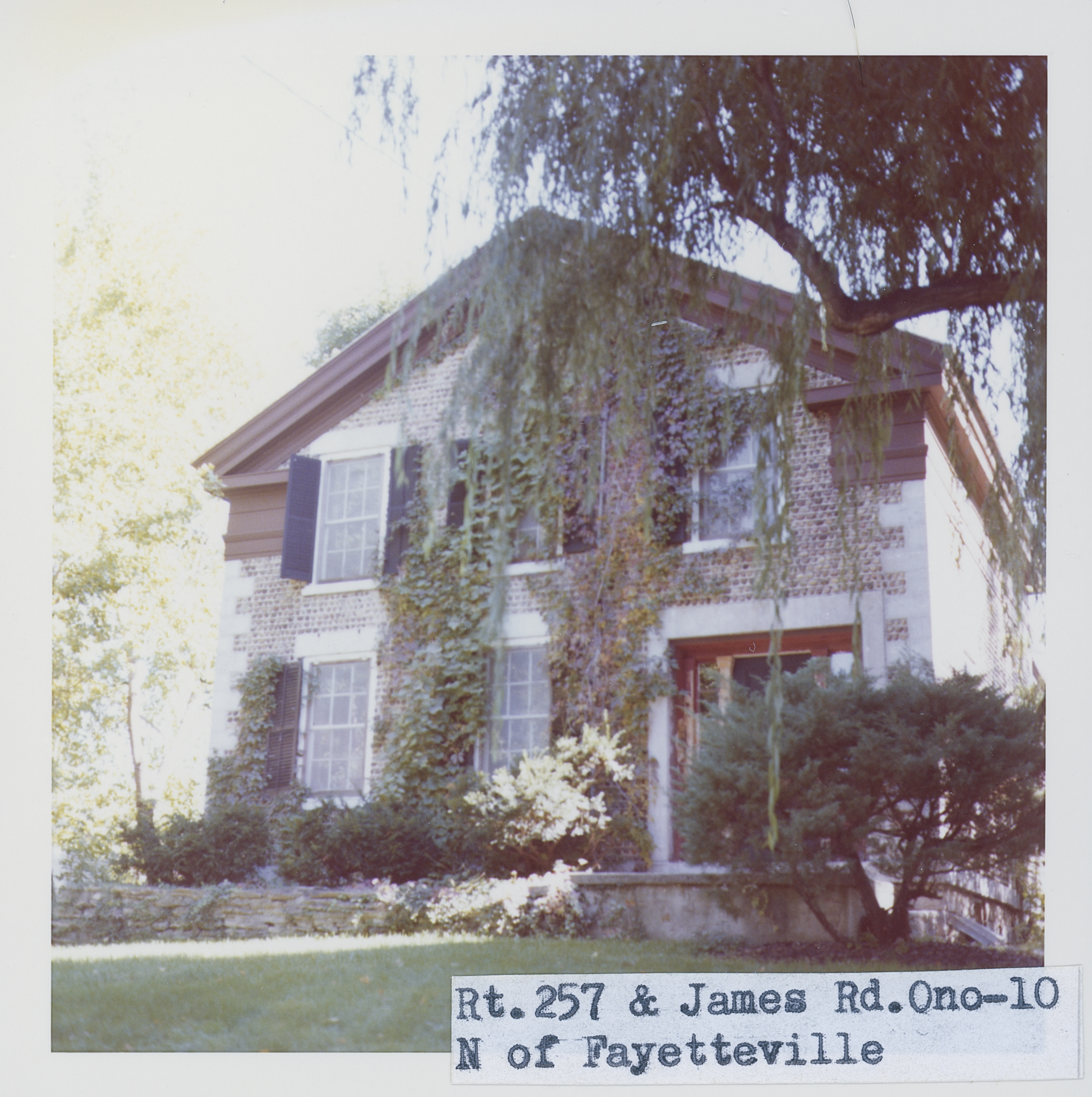 Man_1_1.jpg | 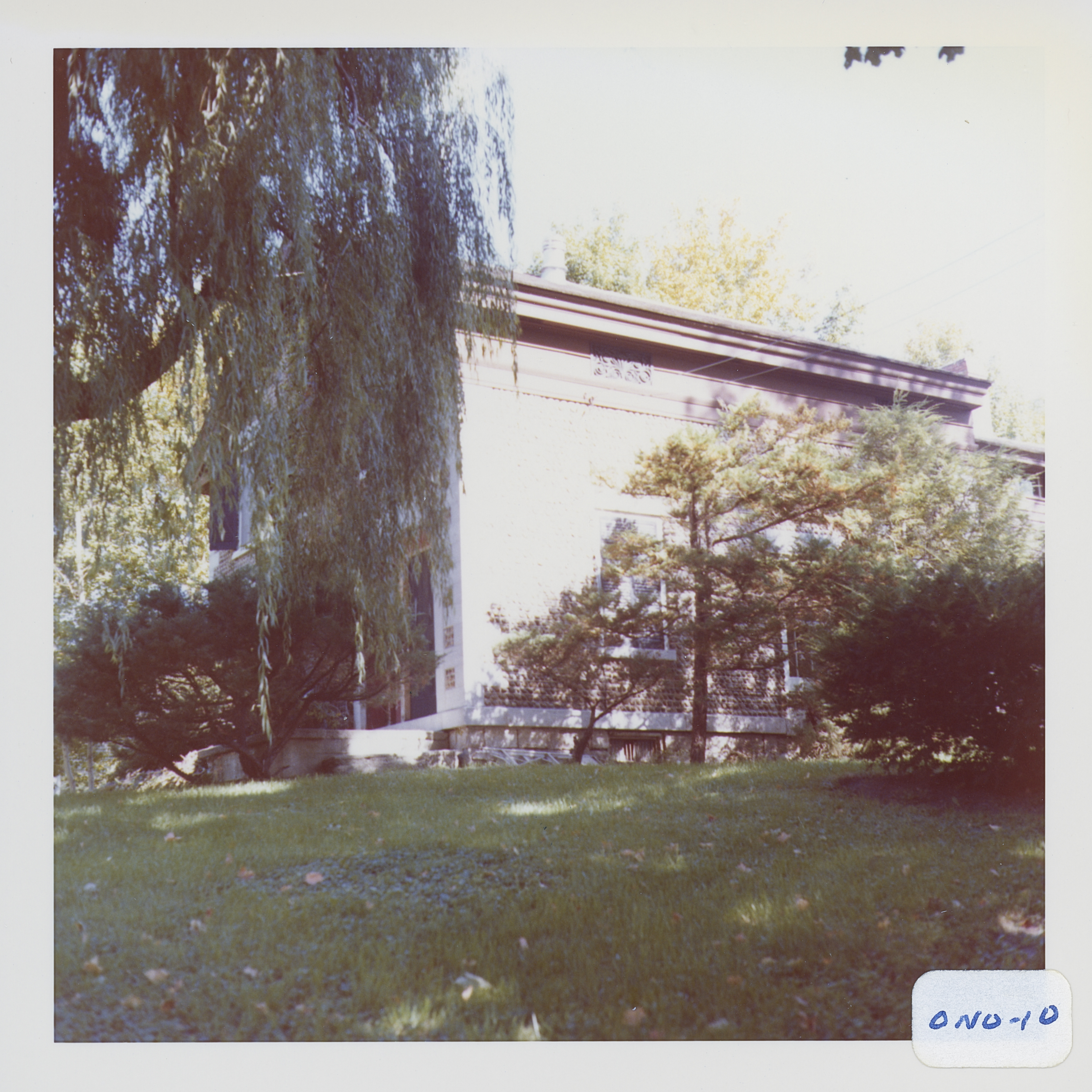 Man_1_2.jpg | 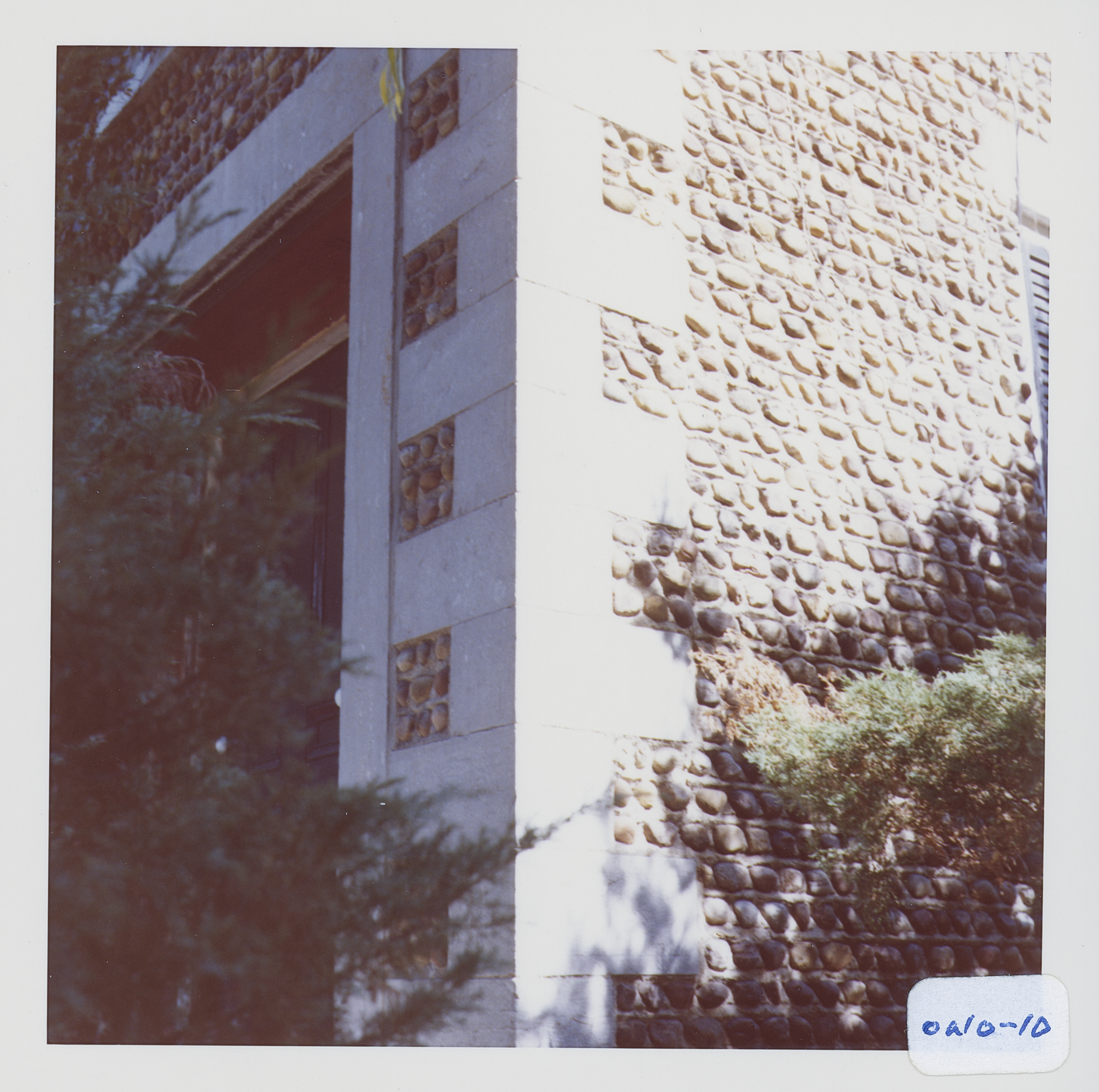 Man_1_3.jpg |
 Man_1_4.jpg |  Man_1_5.jpg |  Man_1_6.jpg | 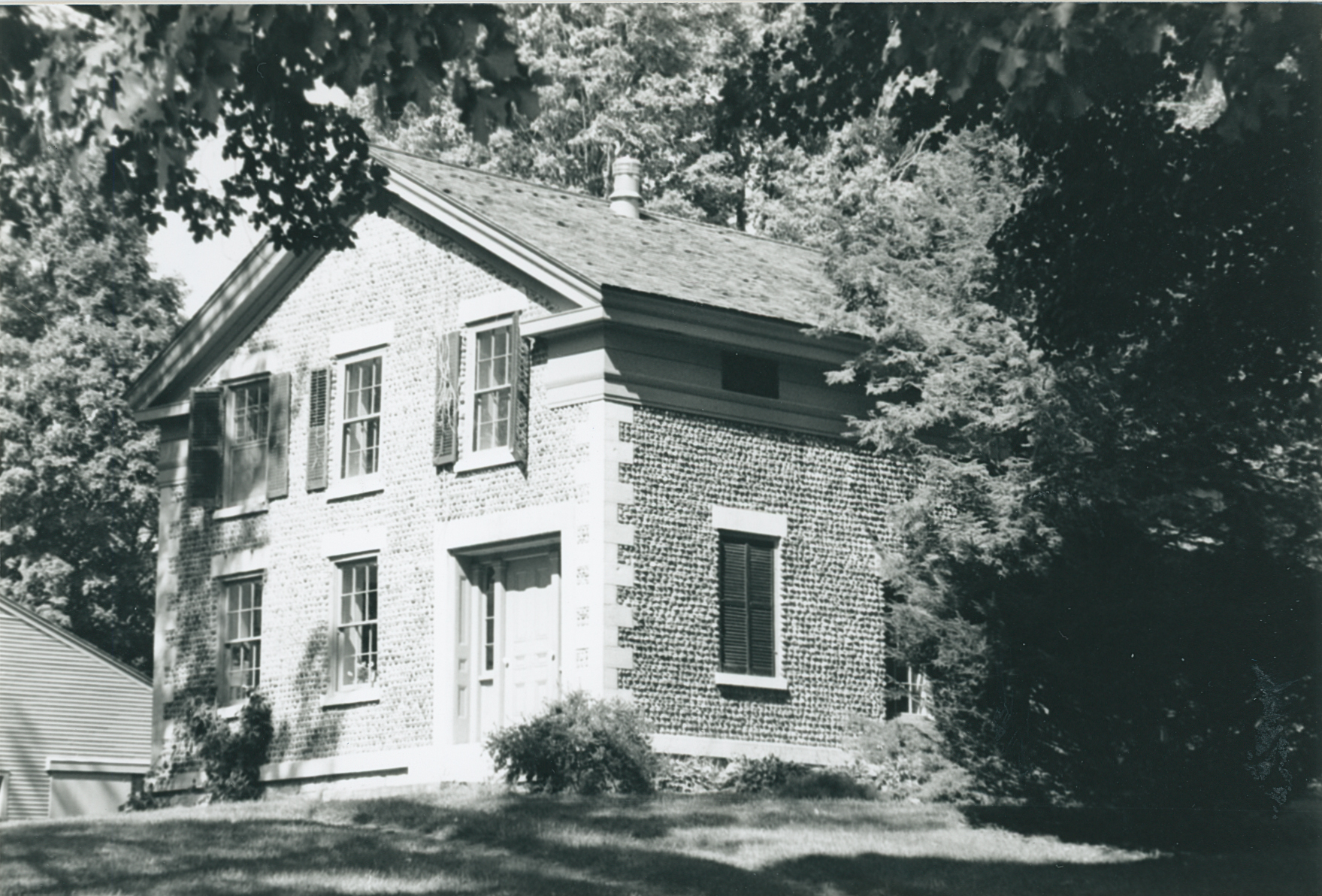 Man-1 5498 James St 1.jpg ² |
 Man-1 5498 James St 2.jpg ² | 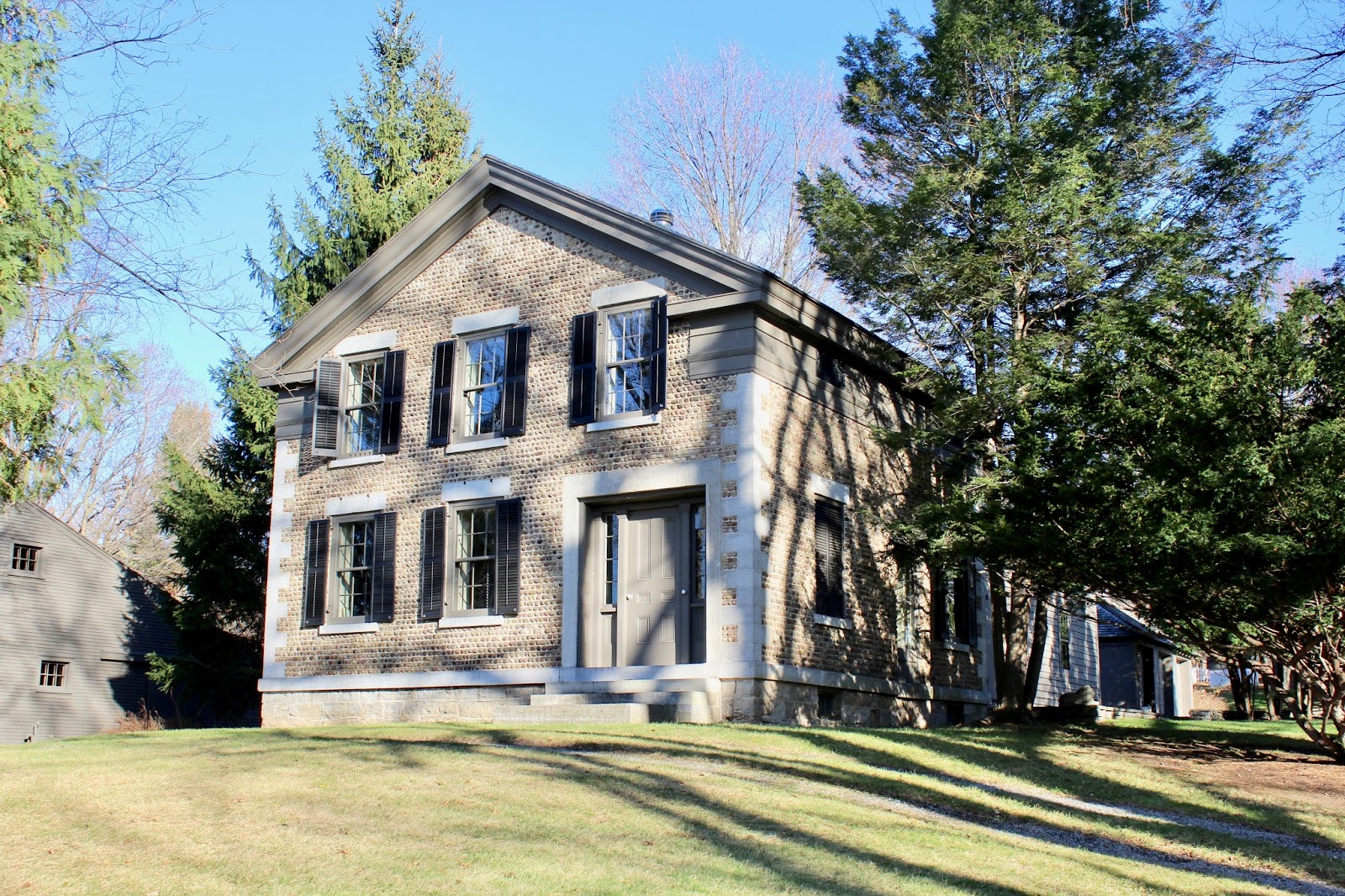 39 2.jpg ³ |
¹ Image courtesy Onondaga Historical Association. Richard Palmer blog.
² Photography courtesy Martin and Sheila Wolfish.
³ Photography courtesy Richard Palmer.
